Designing Flexible Learning Environments That Grow with Your District
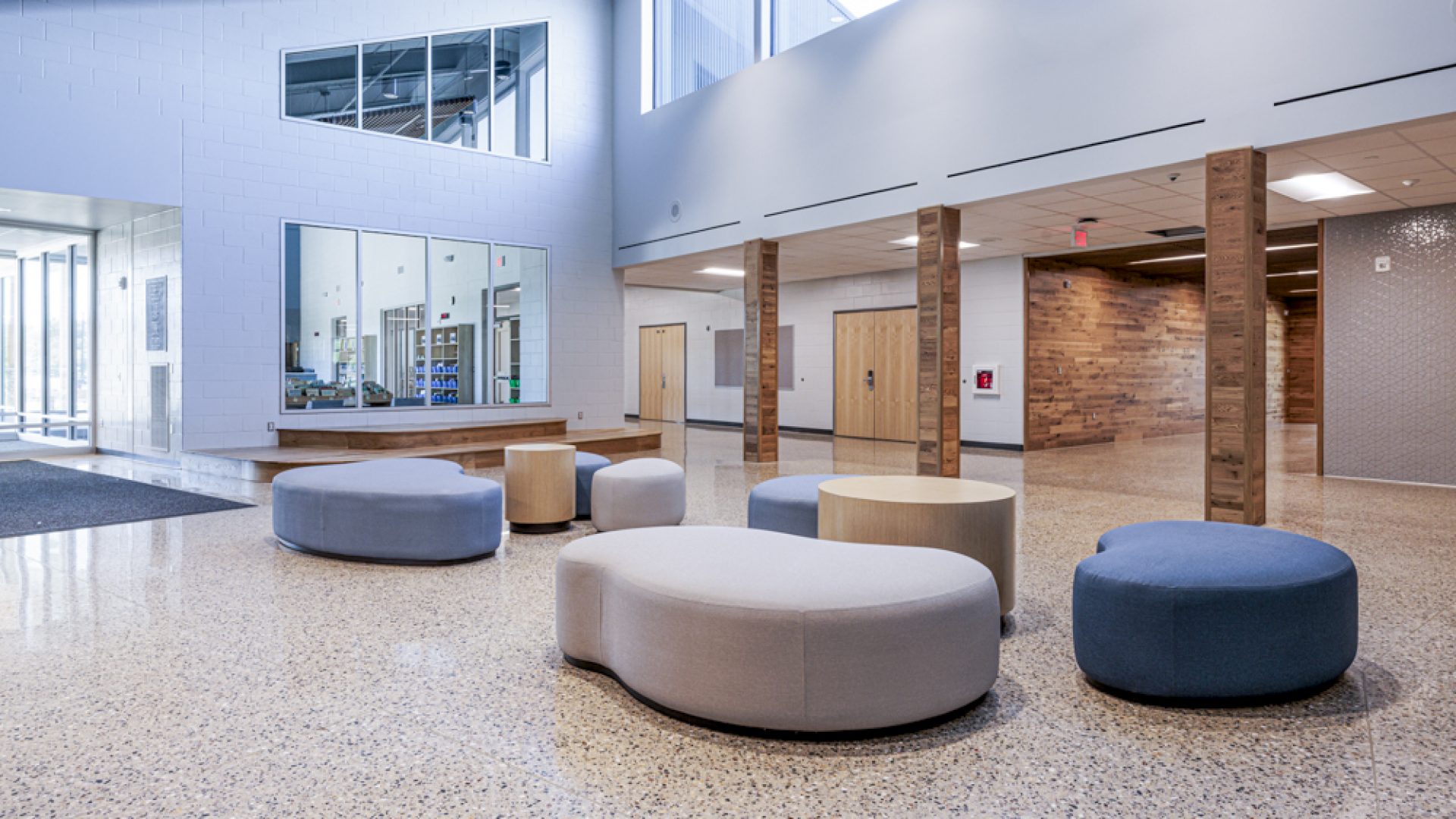
When West Ottawa Public Schools began planning their newest elementary school, Riley Farms Elementary, they envisioned more than just updated space and a modern layout. They wanted a learning environment that would serve both immediate needs and long-term goals. That meant creating intentional, shared spaces that foster creativity, collaboration, and a sense of community.
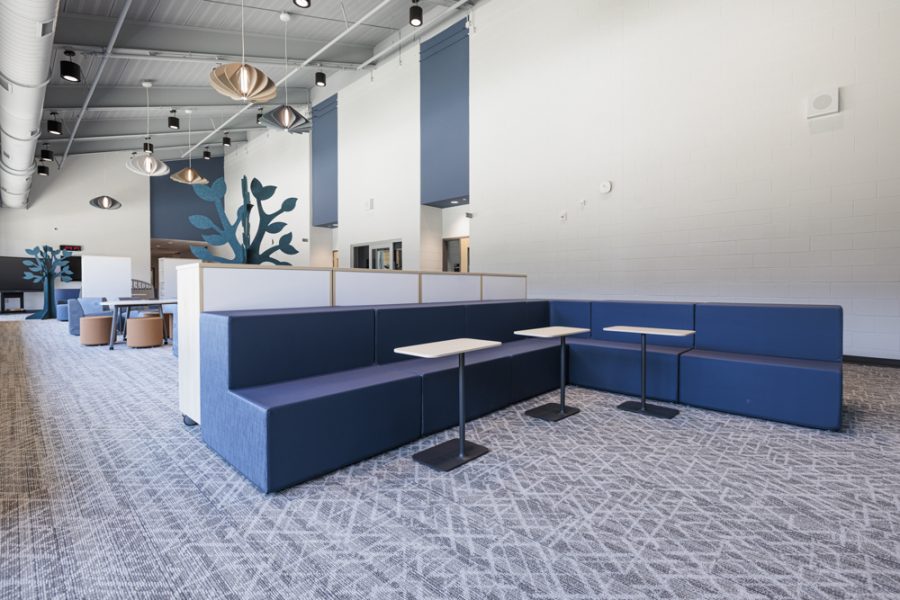
To support that vision, the district partnered with Custer to design and furnish the school’s ancillary spaces. These included the library, staff lounge, extended learning areas (ELAs), art room, administrative offices, and teacher storage rooms. The goal was to create highly functional environments that could not only serve Riley Farms Elementary but also be replicated in future school builds.
Planning for Learning That Evolves
West Ottawa knew their learning environments needed to keep pace with change. They wanted spaces that could adapt over time and a design strategy that could be applied consistently across future projects. This would reduce complexity and support long-term efficiency.
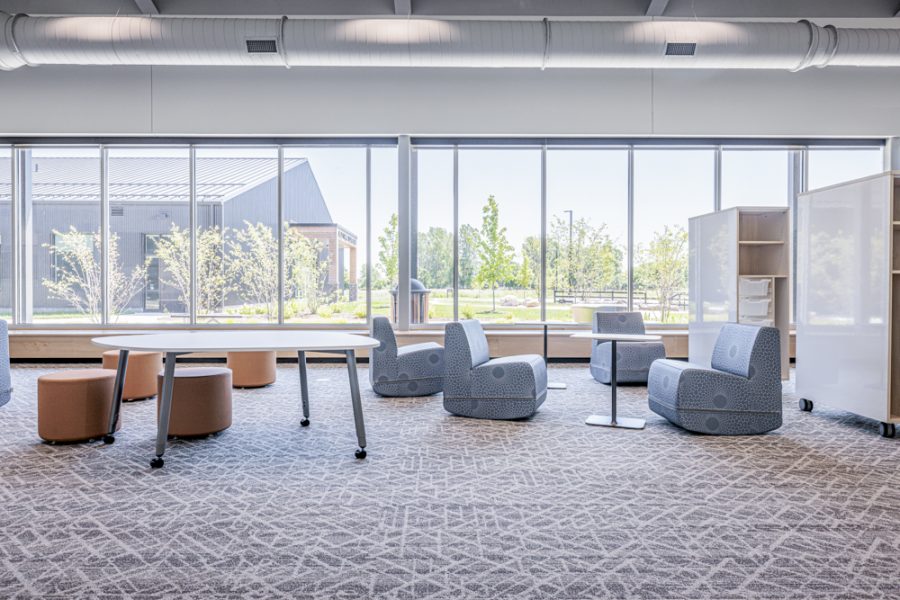
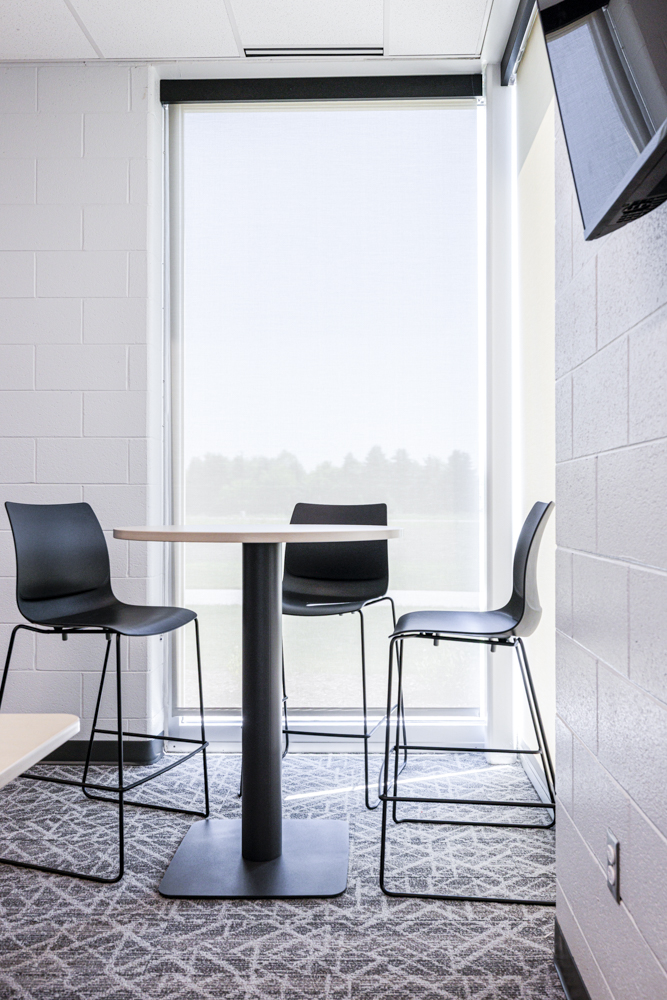
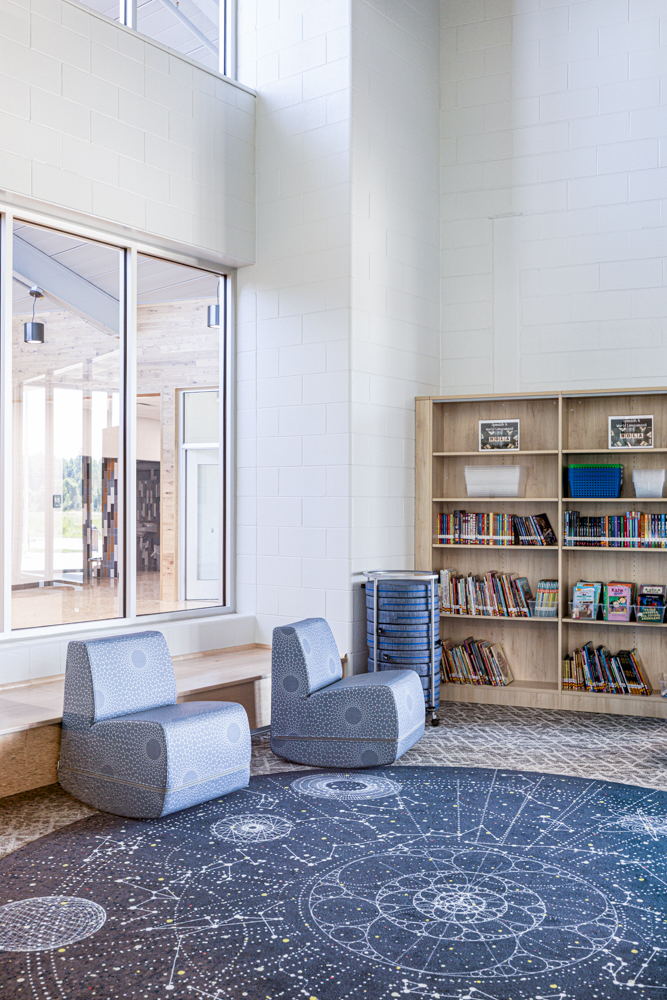
With those goals in mind, the district partnered with a team experienced in educational environments. The result was a set of flexible, inclusive, and functional spaces designed with scalability in mind. Every decision, from layout to furniture, considered how the space could grow and evolve alongside the district’s needs.
Purposeful Design that Works for Everyone
The team worked to create a sense of consistency throughout the building, while still allowing each space to serve its purpose. Furniture and layouts were selected to support a range of activities and adapt as needed over time. The spaces needed to feel connected but also support specific functions. That meant selecting versatile furniture and planning layouts that allowed for both structure and flexibility. The result was a thoughtful mix of spaces that support different modes of learning and engagement:
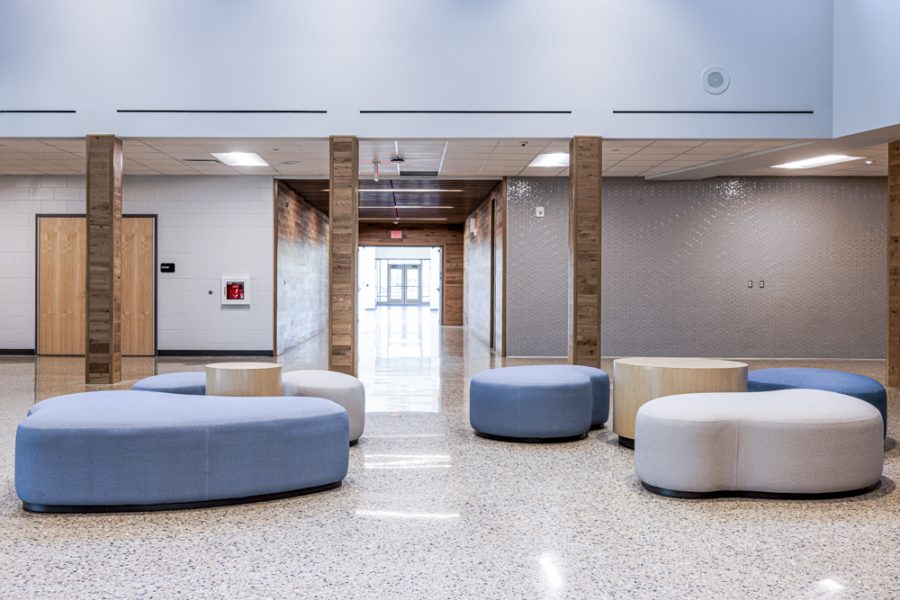
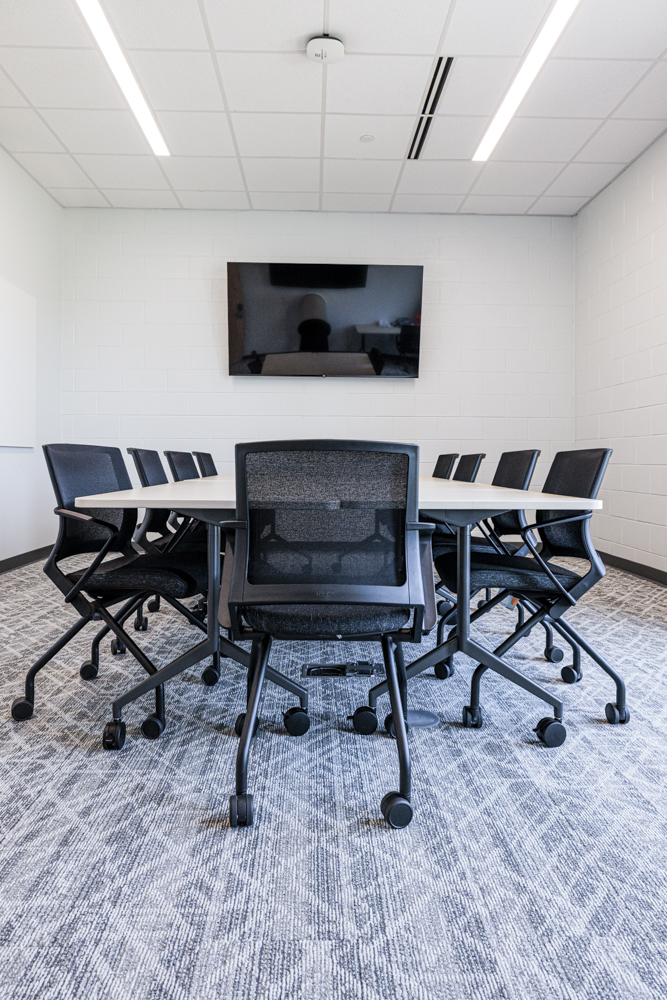
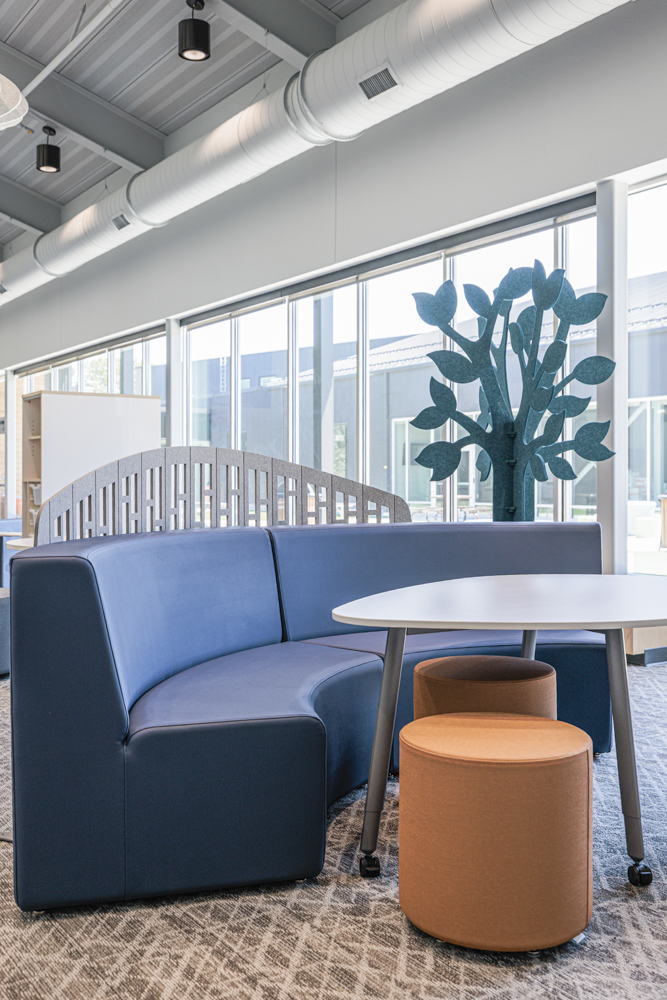
- A central library that brings students together
- Learning areas that support small and large group work
- An art room built for hands-on projects
- A lounge space for staff
- Simple, efficient administrative offices
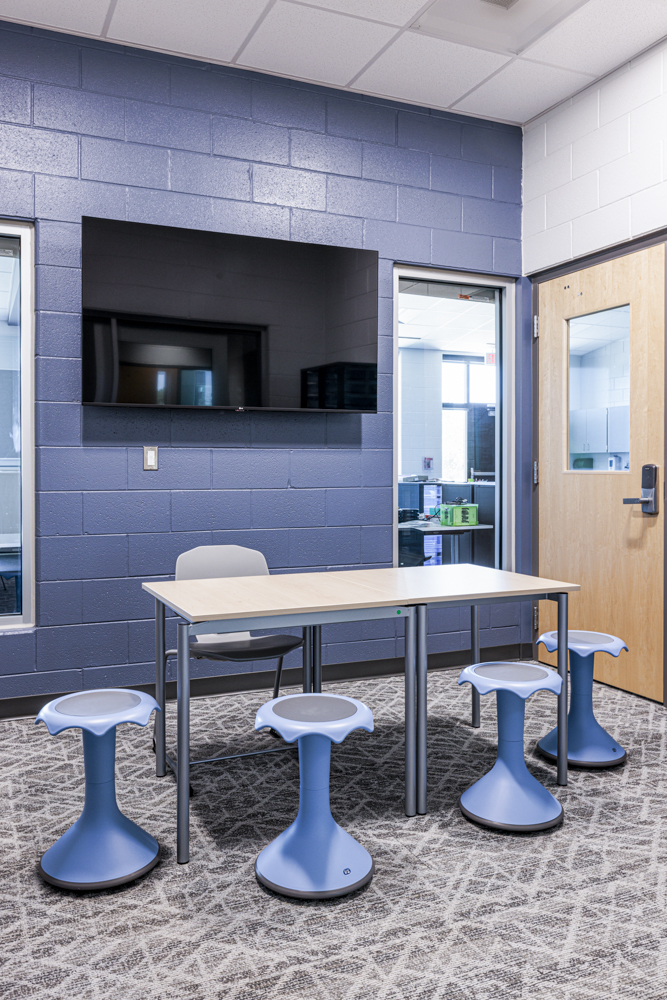
- Collaborative Conference rooms again that support multiple uses within the space
Products that Support the Vision
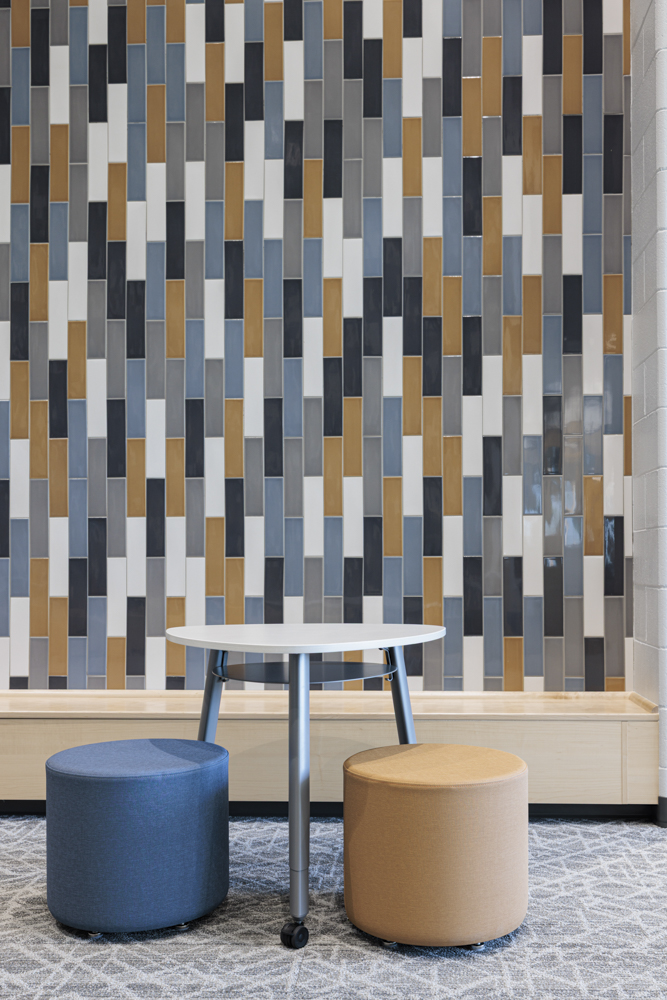
Furniture was selected to offer a good mix of durability, flexibility, and value. The goal was to create spaces that work well for both students and staff, and that can support a variety of learning activities. Key products included:
- Smith System Cascade storage units for mobile and efficient organization
- Flowform and Elemental tables that adapt easily to changing group sizes
- Fomcore soft seating that supports varied student postures and activities
- Fleetwood tables and cabinets for creative environments like the art room
- Palmieri dynamic book storage
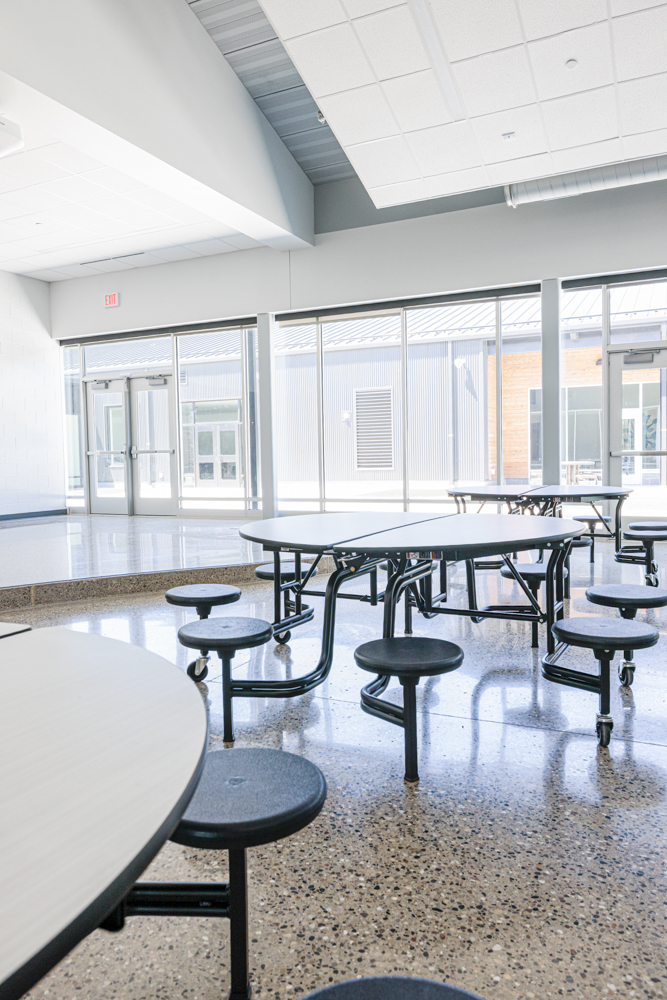
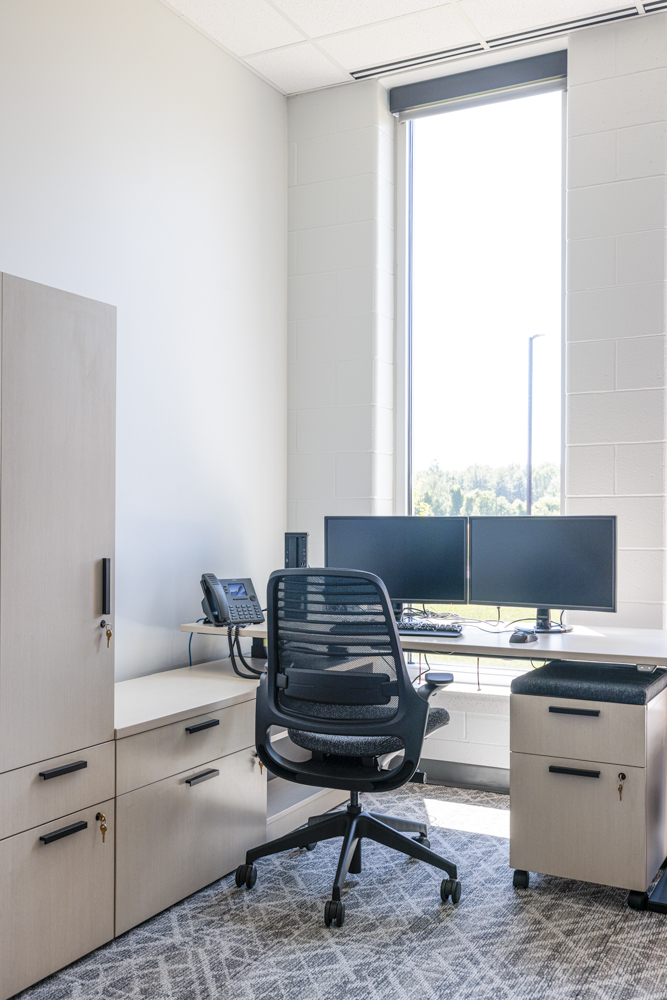
Every product was chosen not only for immediate impact but also for long-term applicability in future schools.
A Repeatable Model for Future Growth
Riley Farms Elementary now serves as a starting point for future schools in the district. By developing a repeatable design, West Ottawa can bring consistency to existing buildings and make future planning more straightforward.
This approach helps streamline decisions, reduce complexity, and keep projects moving without having to start from scratch every time.
Learning Spaces with Purpose
Riley Farms demonstrates what can happen when design is tied to educational outcomes. By investing in thoughtful, adaptable environments, West Ottawa has created spaces that serve students, support educators, and align with the broader goals of the district.
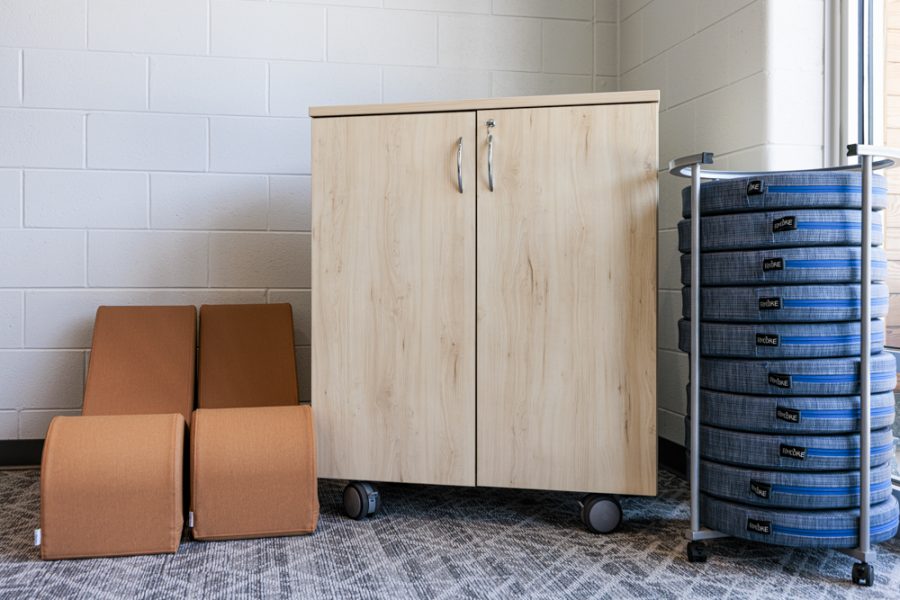
From extended learning areas to staff lounges, every corner of the building contributes to a positive learning culture. With a forward-thinking approach and a focus on flexibility, Riley Farms Elementary is positioned to support student success for years to come.
This project gives other districts a clear example of how to plan learning environments that are both thoughtful and adaptable. It shows how a well-considered approach can lead to spaces that work now and continue to support students and schools as their needs change.